

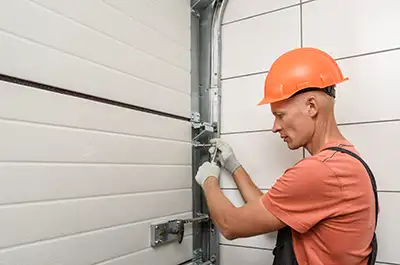
Your garage door is more than just an entryway, it’s a key part of your home’s security and convenience. Neglecting it can lead to costly repairs or replacements sooner than you’d like. The good news? With a few simple garage door maintenance tips, you can extend your garage door’s lifespan and keep it running smoothly. At Action Garage Door Services, we know exactly how to keep your door in top shape. Ready to learn more? Contact us today for a free maintenance checklist and ensure your garage door lasts for years!
Essential Garage Door Maintenance
Regular garage door maintenance is crucial in extending your door’s lifespan and maintaining optimal performance. By regularly inspecting and servicing your garage door, you can prevent minor issues from turning into costly repairs. Let’s explore some fundamental maintenance practices.
Regular Lubrication Techniques
Proper lubrication is key to ensuring your garage door operates smoothly. Regularly lubricating moving parts reduces friction and wear, extending the door’s life.
-
Identify the parts that need lubrication: Focus on rollers, hinges, springs, and tracks.
-
Choose the right lubricant: Use a silicone based lubricant or a white lithium grease spray.
-
Apply the lubricant: Spray or apply lubricant directly to the moving parts, avoiding plastic components.
-
Test the door: Open and close the door several times to ensure even distribution.
Consistent lubrication prevents rust and keeps your garage door operating quietly and efficiently.
Inspecting and Tightening Components
Regular inspections of your garage door components can prevent unexpected failures. Key tasks include checking for loose parts and ensuring everything is in good working order.
To start, visually inspect the bolts and nuts securing your garage door tracks and brackets. Over time, these can loosen due to constant vibration. Tighten any loose elements with a wrench.
Next, examine the cables for signs of wear or fraying. If they appear damaged, contact a professional immediately, as handling cables can be dangerous.
Lastly, check the door’s balance by disconnecting the opener and manually lifting the door halfway. A balanced door should remain in place.
Preventive Measures for Longevity
Preventive maintenance ensures that your garage door remains reliable and safe. Implementing these measures can reduce the likelihood of unexpected failures and costly repairs.
Weather Stripping Replacement
Weather stripping plays a crucial role in sealing your garage door against the elements. Over time, it can become cracked or worn, leading to drafts and increased energy costs.
Begin by inspecting the weather stripping along the bottom and sides of your garage door. Look for cracks, tears, or areas where it has come loose.
-
Remove damaged stripping: Peel or unscrew the old stripping from the door.
-
Clean the surface: Use a damp cloth to remove debris and ensure a smooth surface.
-
Measure and cut new stripping: Fit it to the door’s dimensions.
-
Install the new stripping: Attach it securely, ensuring a tight seal.
Regularly replacing the weather stripping not only improves energy efficiency but also helps in maintaining your home’s comfort.
Common Garage Door Issues
Understanding common garage door issues can help you address them promptly and avoid more significant problems. Here are some frequent concerns homeowners face.
Addressing Noisy Operations
A noisy garage door can be more than just an annoyance. It may indicate underlying issues. Common causes include loose hardware, worn rollers, or lack of lubrication.
First, check all nuts and bolts on the tracks and tighten any that are loose. Then, inspect the rollers for wear. Replacing metal rollers with nylon ones can reduce noise significantly.
Lubricate all moving parts, especially the hinges and springs, to minimize friction and noise.
If the noise persists, a professional inspection may be necessary. Addressing noisy operations promptly can prevent further damage and extend the life of your garage door. 📢
Fixing Slow Response Times
A garage door that responds slowly may have underlying issues, impacting its efficiency and lifespan. Common causes include old openers, misaligned sensor eyes, or electrical issues.
Start by checking the garage door opener settings. Adjust the speed settings if necessary. Next, ensure the sensor eyes are clean and aligned, allowing proper communication with the opener.
If the door still operates slowly, it may be time for a professional assessment. Slow response times can wear out components faster, leading to costly repairs. Regular maintenance ensures quick and efficient operation. 🚀